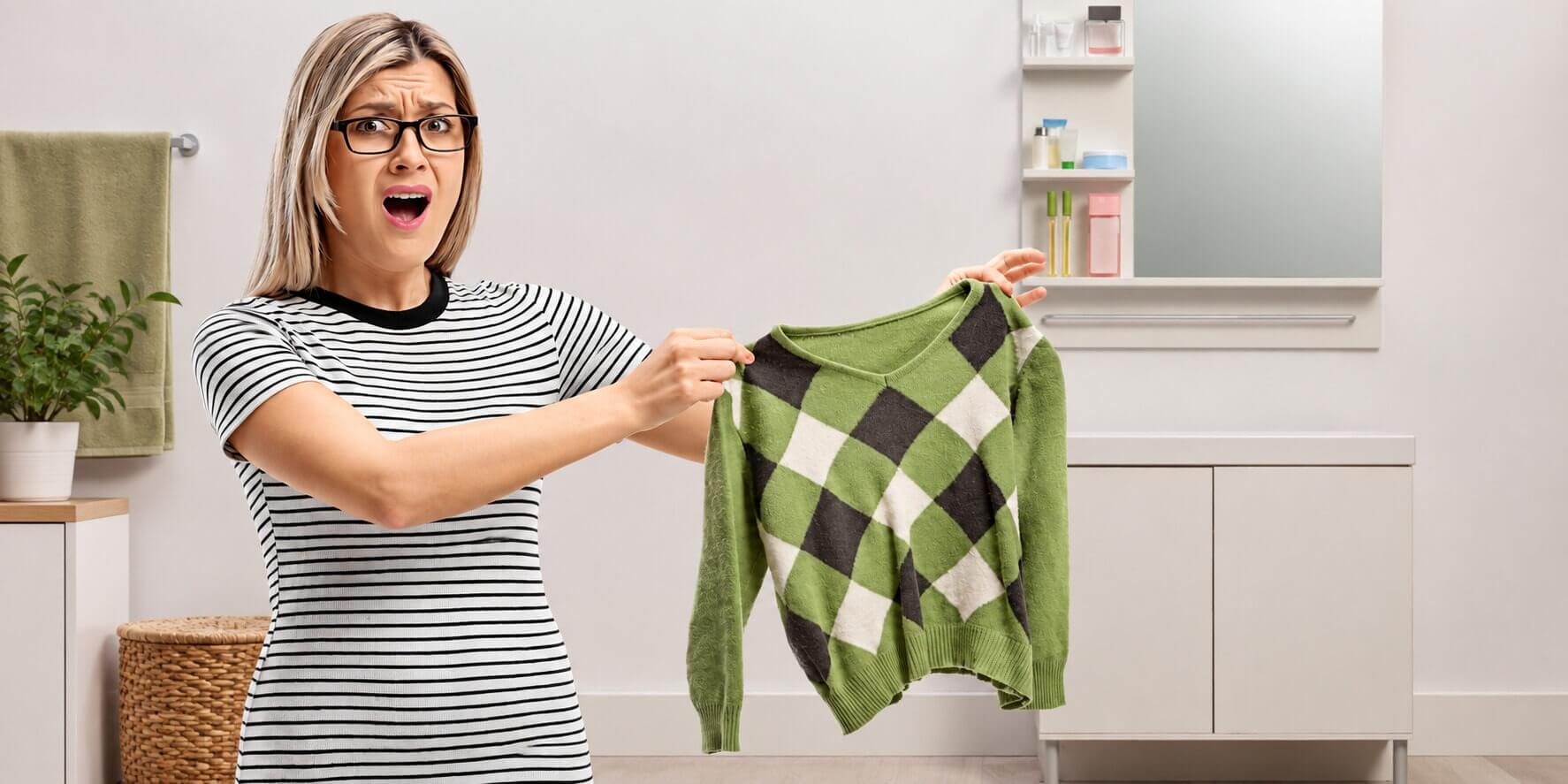
You pull your favourite shirt out of the dryer and suddenly it fits a little tighter — or a lot tighter. Shrinking usually happens because heat, moisture, and agitation cause fabric fibers to contract. The good news? Most shrinkage can be reduced by choosing the right wash and drying settings.
Quick Answer
Clothes shrink primarily because heat, moisture, and agitation cause fibers to contract. Cotton, linen, rayon, and wool are especially vulnerable, while polyester and nylon tend to be more resistant. Cold washing, gentle cycles, and lower dryer temperatures can significantly reduce shrinkage.
This is especially relevant in Canada, where wardrobes often include wool sweaters, knitwear, heavy cotton layers, down jackets, and winter coats that require more careful washing and drying.
What's Actually Happening to the Fibers
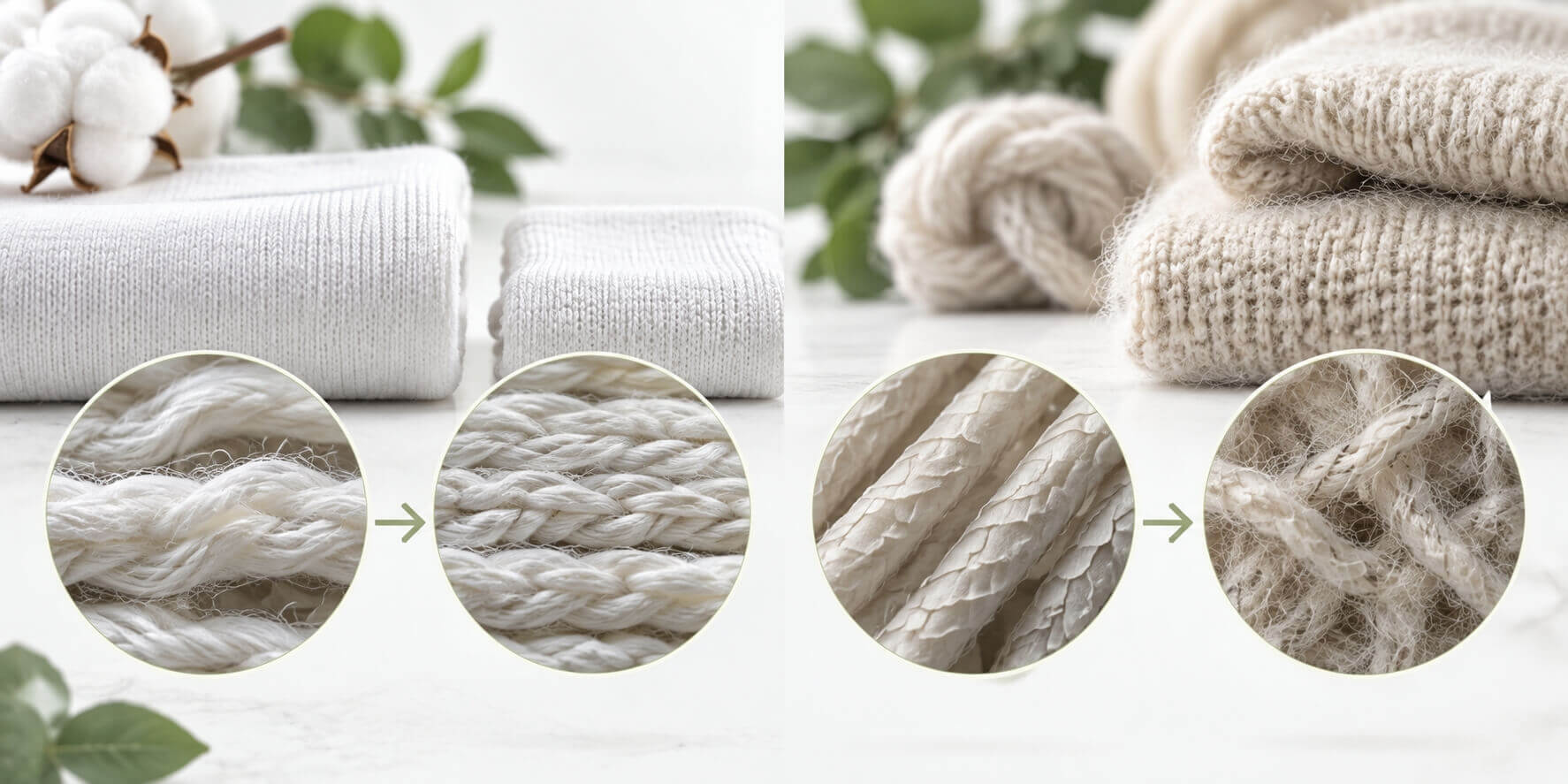
When fabric is woven or knitted, the fibers are stretched and held under tension — tension that stays locked in place until heat and moisture loosen it. Hot water and a hot dryer give the fibers enough energy to pull back toward a shorter, more relaxed state. Textile scientists call this relaxation shrinkage, and it's the main reason cotton, linen, and rayon shrink.
Wool behaves differently, and less forgivingly. Its fibers are covered in tiny overlapping scales that open up and interlock when wet and agitated, felting the fabric into something denser and smaller. That's why a shrunken wool sweater rarely goes back to its original size — it hasn't just relaxed, it has structurally matted.
Synthetic fibers like polyester and nylon are engineered rather than grown, giving them a more stable structure that mostly resists this kind of shrinkage — though high enough heat can still affect them, which is why a cotton-poly blend usually shrinks less than 100% cotton, but not zero.
Quick Answer
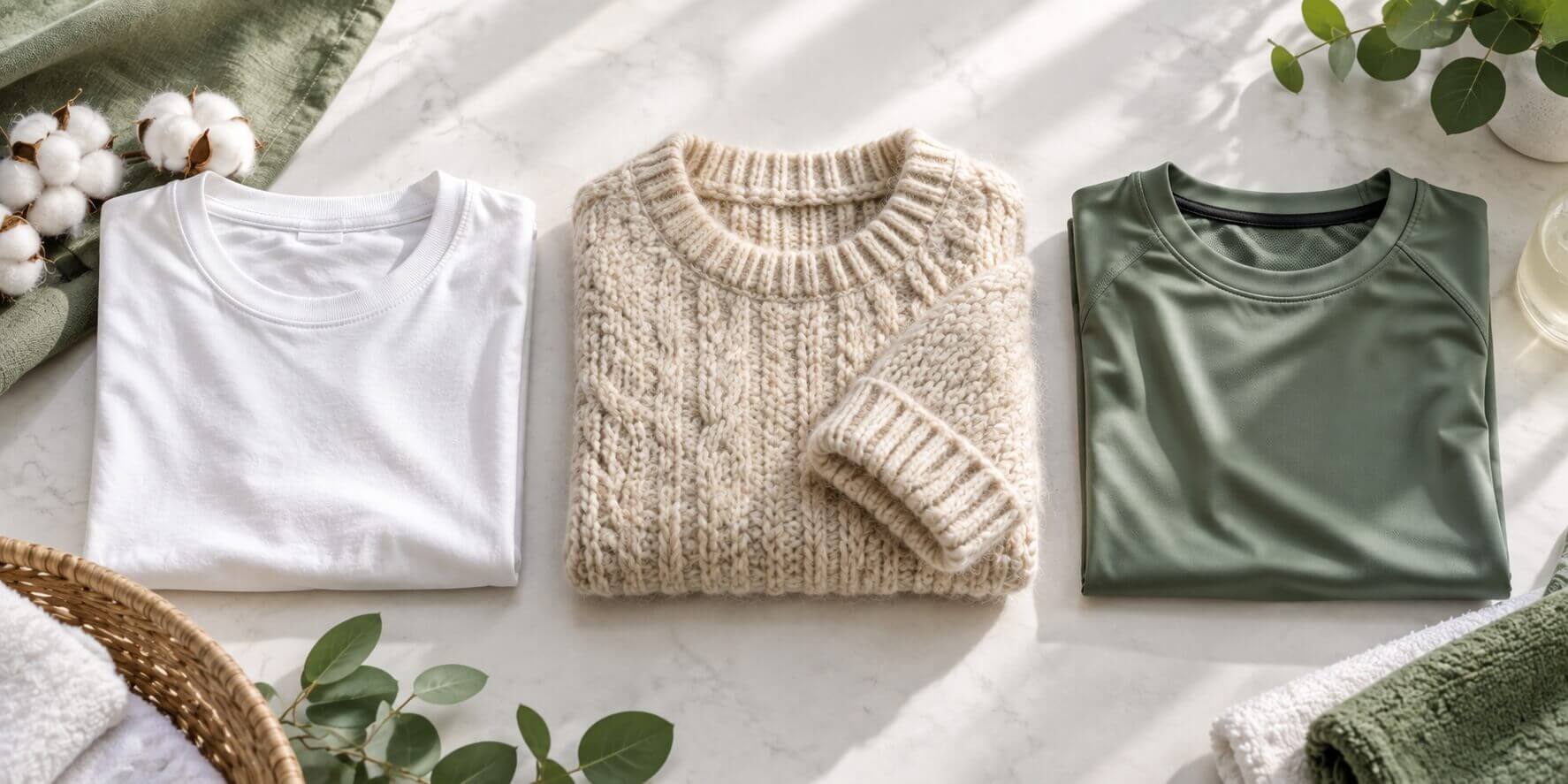
Cotton, linen, rayon: shrink through relaxation — fibers stretched during manufacturing pull back under heat and moisture.
Wool: shrinks through felting — fiber scales interlock and mat together, and it's largely permanent.
Polyester, nylon: much more heat-stable, shrink far less — but not immune at high enough temperatures.
Even “pre-shrunk” fabric usually loses a bit more in the first few washes. Pre-shrinking reduces the risk; it doesn't eliminate it.
Does Cold Water Really Prevent Shrinking?
Largely, yes. Heat is the single biggest driver of relaxation shrinkage, so washing in cold or cool water removes most of the energy that lets fibers pull back into shape. It's not the whole story, though — the mechanical agitation and spin speed of the wash cycle matter too. A cold wash on a high-agitation cycle still puts real stress on the fabric, just less than a hot one.
Why Do Clothes Shrink More in the Dryer Than the Washer?
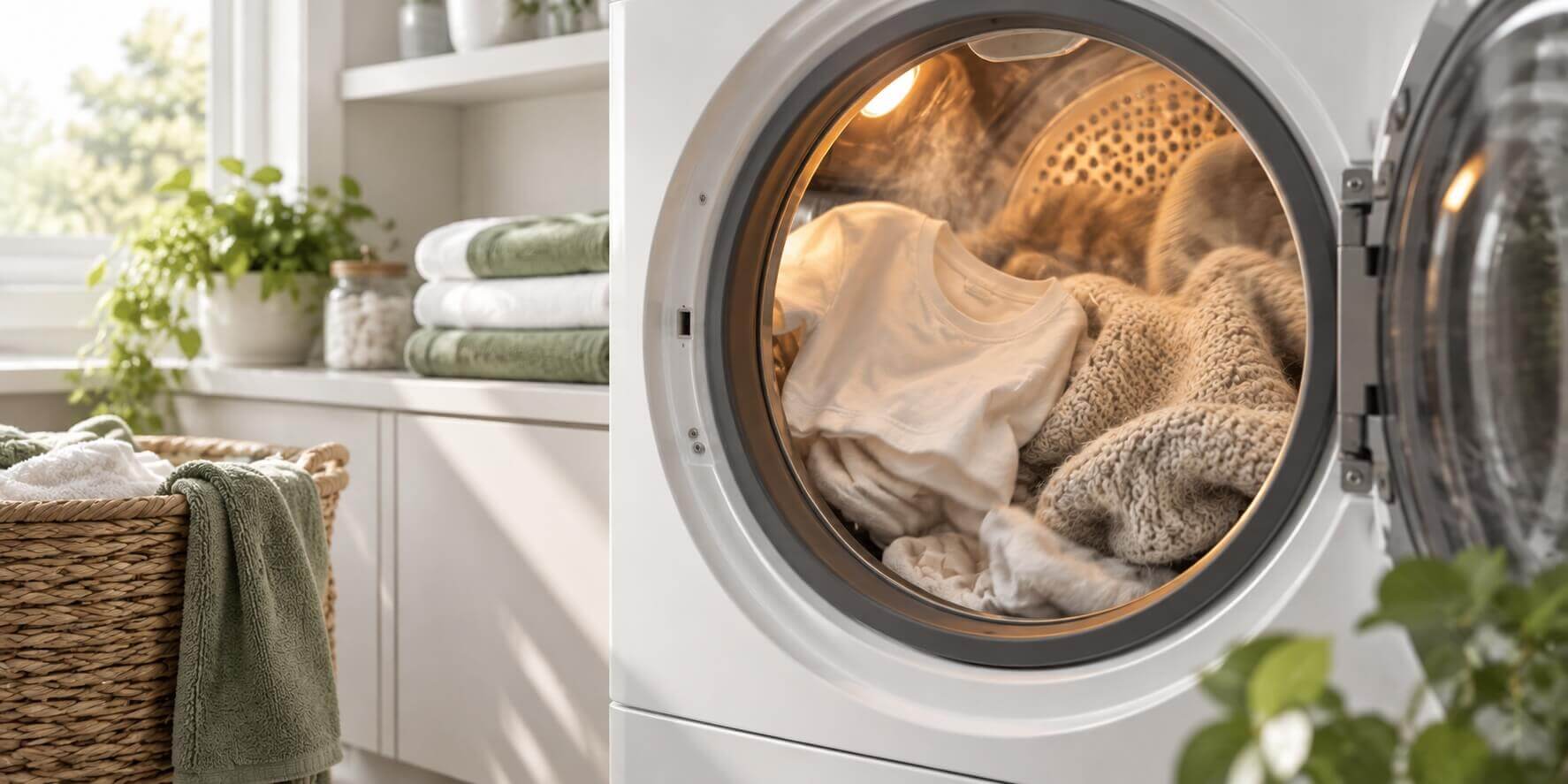
Because the dryer is where the heat is both hotter and more sustained. A washing machine's water temperature is capped well below a dryer's heat, and a dryer keeps tumbling hot, dry fabric for much longer than a wash cycle does. For anything you're worried about — wool, 100% cotton, anything already a little tight — the dryer is usually the riskier half of the process, not the washer.
7 Ways to Prevent Shrinking
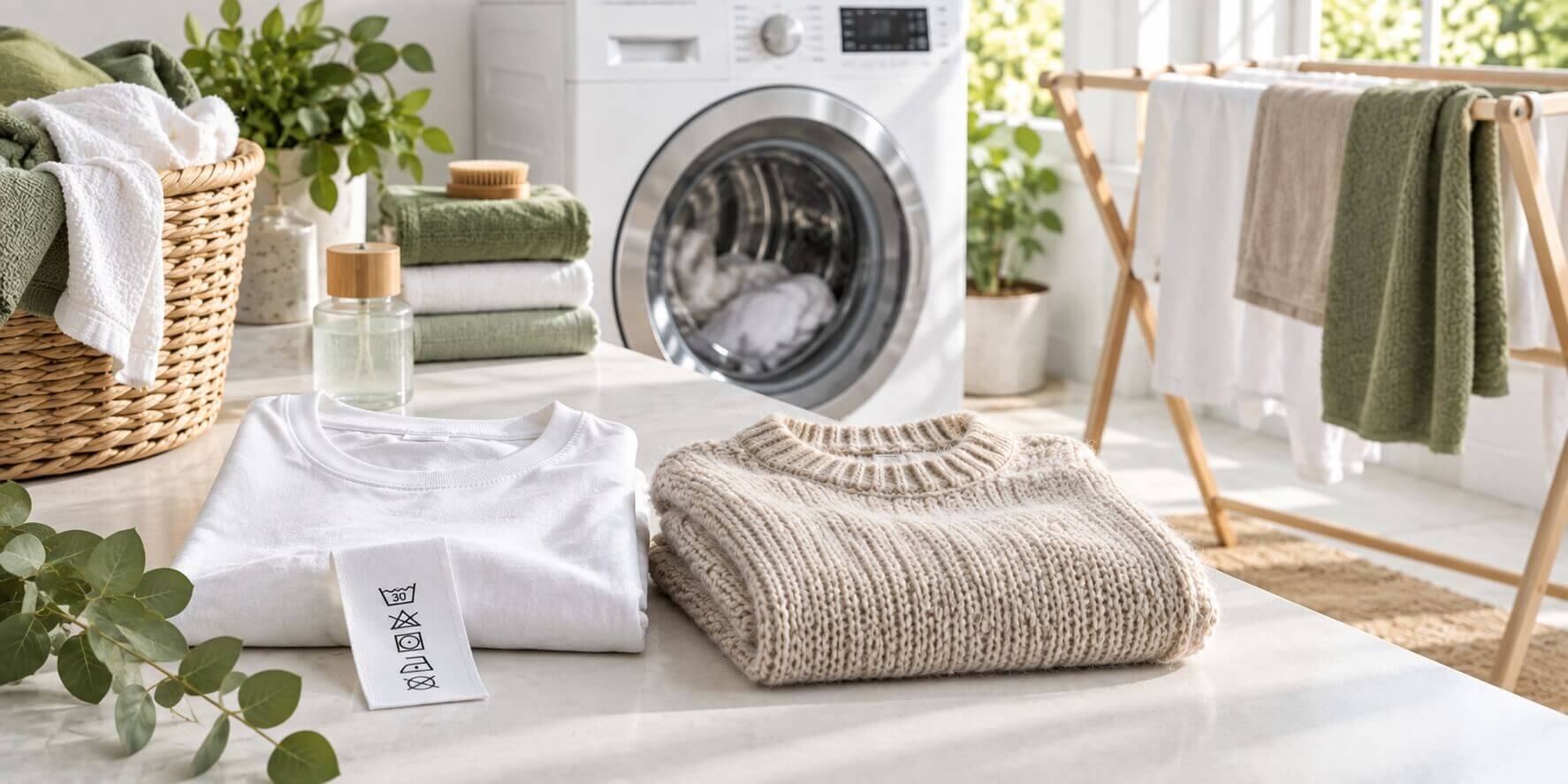
None of these require special equipment — just a slightly different habit than tossing everything in on the same hot, high-heat settings.
1. Read the Care Label Before the First Wash
The label reflects how that specific fabric was actually finished, not a generic guess — a manufacturer's recommended wash temperature exists because they know how much relaxation shrinkage is still left in that fabric. Skipping it is the single most common way people find out the hard way.
2. Wash in Cold or Cool Water
Heat is the biggest driver of relaxation shrinkage, so dropping the water temperature removes most of the energy that lets fibers pull back into shape. This matters most for cotton, wool, linen, and rayon — fabrics with real relaxation shrinkage to lose.
3. Choose a Gentle Cycle and a Lower Spin Speed
Water temperature isn't the only variable. Mechanical agitation is what drives wool's felting specifically, so a gentler cycle and slower spin protects wool even beyond what cold water alone can do.
4. Skip the Dryer Heat When You Can
The dryer is usually the riskier half of the whole process — hotter and more sustained heat than a wash cycle, with continuous tumbling on top of it. Air drying, or using the lowest heat setting available, is the single biggest lever for anything you're genuinely worried about.
5. Don't Over-Dry
If you are using the dryer, pull items out while they're still slightly damp rather than running a full cycle to bone-dry. Continuing to dry clothes after they're already dry exposes them to unnecessary heat and can increase the risk of shrinkage.
6. Sort by Fabric Risk, Not Just by Colour
Most people sort laundry by colour and call it done. It's worth also separating wool, cotton, and rayon from more heat-stable synthetics, so you're not stuck picking one wash setting that's wrong for half the load.
7. Treat a New Garment's First Wash as the Riskiest One
Even fabric that's been “pre-shrunk” at the factory typically has a little more relaxation shrinkage left to give up, and it tends to show up in the first few washes. For a new garment's first wash, follow the care label carefully and avoid combining it with a load that requires hotter water or higher dryer heat.
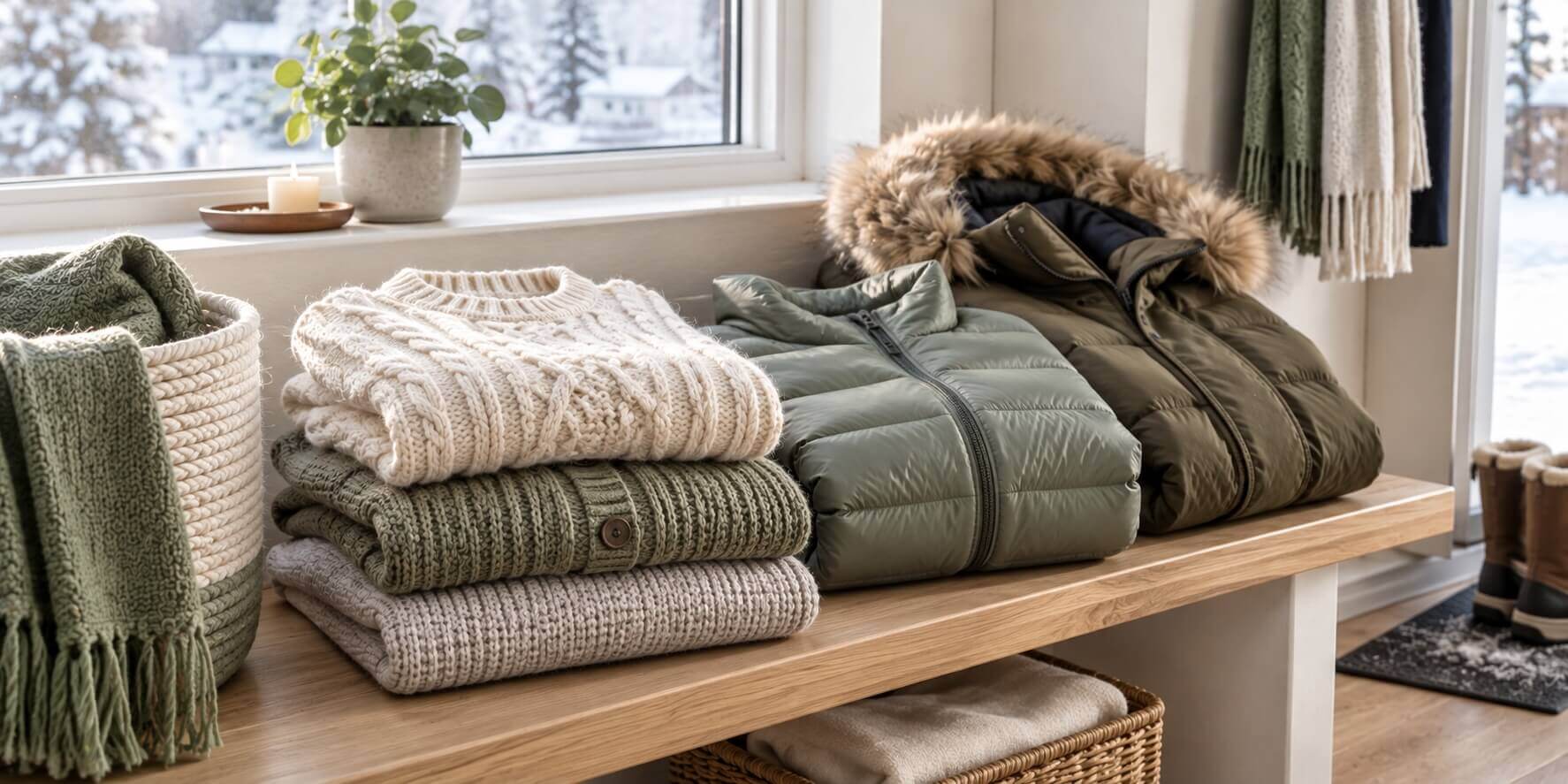
A Note on Winter Wardrobes
Wool sweaters, knitted garments, down jackets, and parkas deserve extra caution beyond the 7 tips above — they're disproportionately the items people lose to shrinkage, and wool's felting is the hardest type of shrinkage to reverse once it's happened.
Not sure whether a winter garment belongs in the washer? Check the care label first. Wool sweaters, structured coats, down jackets, and delicate knitwear may require specialized care. WeDoLaundry offers professional dry cleaning, including sweaters starting from $12.99, with pricing available for larger winter coats and parkas.
Can You Unshrink Clothes?
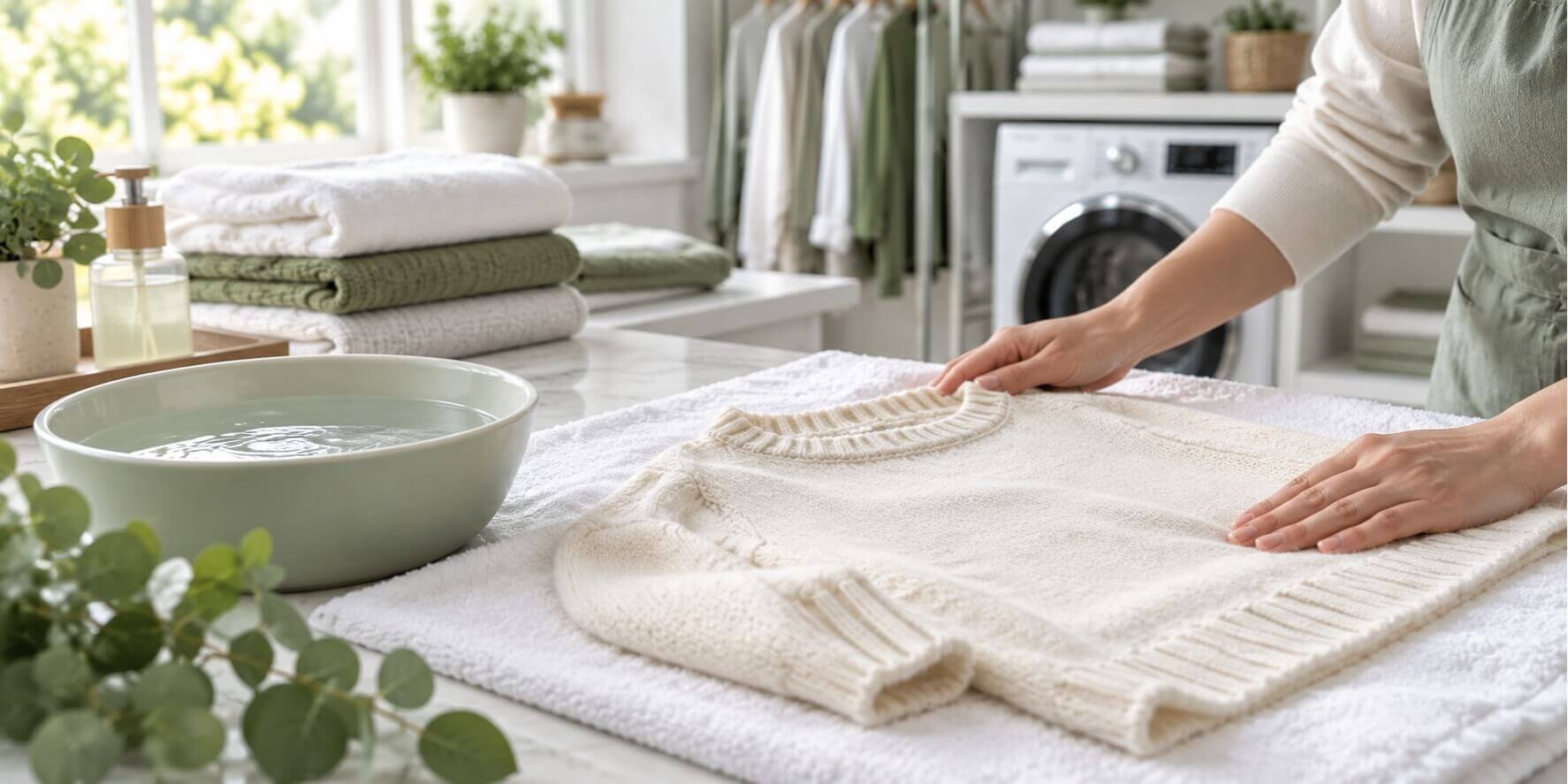
Sometimes, partially. For some mildly shrunken knit or cotton garments, soaking the item in lukewarm water and gently reshaping it may help recover some size. Some home methods use a small amount of hair conditioner or baby shampoo to make the fibers easier to manipulate, although results vary and the method isn't suitable for every fabric.
Always check the care label first, particularly with wool, silk, structured garments, or dry-clean-only items. This works better on cotton than on wool, and better on mild shrinkage than severe — wool's felting is a structural change rather than a tension change, so it's harder to reverse, and a garment that's shrunk two full sizes isn't coming all the way back regardless of fabric. It's worth trying before writing something off, but it's not a guarantee.
Protect Your Favourite Clothes With the Right Wash Settings
Don't want to guess which setting is right? With WeDoLaundry's wash and fold service you can choose preferences such as Cold Wash ($2.49), Low Temperature Dry ($2.49), and Hang Dry ($7.99) when placing your order — the same protective choices this post just walked through, just handled for you.
Wash & fold • Dry cleaning • Pricing
Ready to protect your clothes? Schedule your WeDoLaundry pickup today.
Frequently Asked Questions
Does 100% cotton shrink more than a cotton blend?
Usually, yes. Blending cotton with a more heat-stable synthetic like polyester generally reduces overall shrinkage, since the synthetic fibers resist the relaxation process that pure cotton goes through.
Can polyester shrink?
It can, but it takes more heat than cotton or wool typically need. Polyester is engineered to be far more dimensionally stable, so shrinkage is far less common and usually only happens with very high dryer heat.
Is clothes shrinking permanent?
It depends on the fabric and the type of shrinkage. Cotton's relaxation shrinkage can sometimes be partially reversed with a gentle soak and reshaping. Wool's felting shrinkage is much harder to undo, since the fibers have physically matted together rather than just relaxed.
Does washing in cold water stop shrinking completely?
No, but it substantially reduces the risk. Cold water removes most of the heat that drives relaxation shrinkage, though mechanical agitation and drying heat still play a role.
Why did my clothes shrink even though I followed the care label?
Care labels reduce risk, they don't eliminate it. Even correctly pre-shrunk fabric typically loses a small additional amount in its first few washes, and small deviations — a slightly hotter wash, a longer dryer cycle — can be enough to shrink a garment that's already close to its limit.